
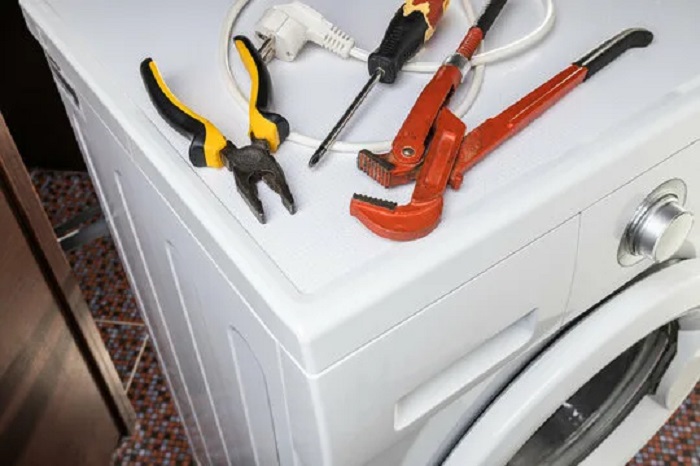
When an appliance breaks down, it’s tempting to look for quick fixes online and attempt the repair yourself. With countless video tutorials and step-by-step guides available, DIY repair may seem like an easy way to save money. However, household appliances are complex machines that involve electricity, gas, water, and delicate components. Attempting repairs without the right knowledge or tools can create more problems than it solves.
1. Electrical hazards
Many appliances run on high voltage. Opening a panel without understanding the wiring exposes you to serious risks, including shocks and burns. Even when unplugged, some components—like capacitors in HVAC units—can hold dangerous charges. Mishandling them can lead to severe injury.
2. Fire risks

Incorrect wiring or using the wrong replacement parts can cause overheating. A dryer with a poorly installed heating element or a stove with faulty electrical connections can become a fire hazard. What looks like a small mistake can have devastating consequences.
3. Gas leaks
Gas appliances, such as stoves, ovens, and dryers, require extra caution. Improperly reconnecting a gas line or failing to seal it correctly can lead to leaks. Gas leaks are extremely dangerous, increasing the risk of fire or carbon monoxide poisoning.
4. Water damage
Washers, dishwashers, and refrigerators are all connected to water lines. A DIY repair that doesn’t properly seal hoses or fittings can cause hidden leaks. Over time, these leaks damage floors, walls, and even the structural integrity of your home, resulting in appliance repairs far more expensive than the original appliance fix.
5. Voiding warranties
Most appliances come with manufacturer warranties. Attempting your own repair often voids these warranties, leaving you responsible for the full cost of any future breakdowns. Professional servicing ensures that warranties remain valid.
6. Using incorrect parts
Appliances require specific replacement parts that match their make and model. DIY repairs sometimes involve generic substitutes or incompatible components, which can damage the machine and reduce efficiency. Professionals use the correct parts to ensure long-term performance.
7. Misdiagnosing the problem
Appliances often show the same symptoms for different issues. For example, a washer that won’t spin could have a faulty motor, a broken belt, or a control board failure. DIY troubleshooting may lead to replacing the wrong part, wasting both time and money.
8. Making the problem worse
A small, inexpensive issue can turn into a major repair if handled incorrectly. Stripped screws, broken connectors, or damaged wiring caused by inexperience often require more extensive repairs later.
9. Safety risks for the household
Beyond personal injury, faulty DIY repairs can put the entire household at risk. Gas leaks, electrical fires, or water damage affect not only the appliance but also the safety and comfort of your home.
When DIY is safe
Basic maintenance tasks—such as cleaning filters, defrosting a freezer, replacing refrigerator gaskets, or vacuuming condenser coils—can usually be done safely at home. Anything involving electricity, gas, or sealed systems should be left to professionals.